Table of Contents
Ten years ago, the influencer marketing industry was obsessed with a single metric: follower count. The logic was simple—more followers meant more eyeballs. But as the algorithm evolved, the reality shifted. Brands realized that a million followers mean absolutely nothing if none of them are paying attention.
Enter the Engagement Rate (ER). Today, ER is the most scrutinized metric by brands and agencies when vetting creators. A high engagement rate proves that your audience trusts you, listens to you, and, most importantly, takes action based on your recommendations.
🔧 Recommended ChafikTech Tool
Why you need it: Our calculator heavily weighs your engagement rate to output an accurate sponsorship value. A 1% increase in engagement can often double your calculated earning potential.
How to Calculate True Engagement Rate
There is no single universally accepted formula for calculating engagement rate, but the most common and standard formula used by PR agencies and brands evaluates engagement relative to follower count.
The Standard Formula (ER by Followers)
ER = (Total Likes + Total Comments) / Total Followers * 100
To get an accurate picture, you shouldn't use just one post. Calculate the average likes and comments across your last 10 posts (excluding outliers like viral giveaways or massive flops), divide by your follower count, and multiply by 100.
The True Reach Formula (ER by Impressions)
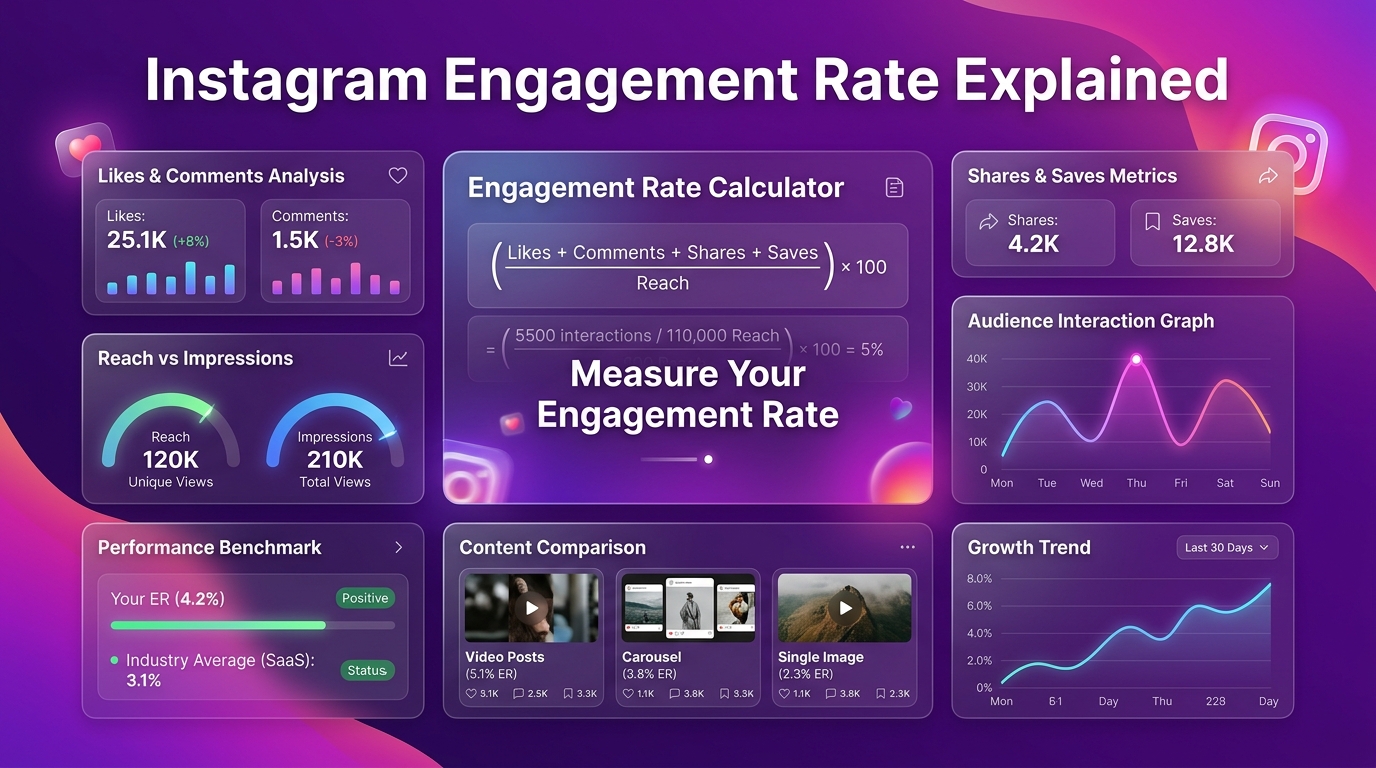
Because the Instagram algorithm doesn't show your posts to all your followers, some marketers prefer calculating ER based on true reach.
ER = (Total Likes + Comments + Saves + Shares) / Total Reach * 100
While this is more accurate in assessing content quality, brands typically use the "ER by Followers" formula because follower count is public data, whereas true reach requires the creator to share backend analytics.
What Constitutes a "Good" Engagement Rate?
Engagement rates are inversely correlated with follower size. A micro-influencer with 5,000 followers will naturally have a much higher engagement rate than a celebrity with 5 million followers. As your audience grows broader, your engagement rate will inevitably drop.
| Account Size (Followers) | Poor ER | Average ER | Excellent ER |
|---|---|---|---|
| Nano (1K - 10K) | < 2% | 4% - 6% | 8%+ |
| Micro (10K - 50K) | < 1% | 2% - 4% | 5%+ |
| Mid-Tier (50K - 200K) | < 0.5% | 1.5% - 3% | 4%+ |
| Macro (200K - 1M) | < 0.5% | 1% - 2% | 3%+ |
| Mega/Celebrity (1M+) | < 0.2% | 0.5% - 1.5% | 2%+ |
Why Brands Prioritize Engagement Over Followers
If you are exploring the debate further, you can read our full breakdown on Followers vs Engagement, but the core reasons brands obsess over ER are:
- Protection Against Fake Followers: Anyone can buy 10,000 followers for a few dollars. However, faking consistent, coherent comments and organic saves/shares is nearly impossible and easily detectable by auditing software.
- Higher Conversion Rates: High engagement indicates a parasocial relationship. When an audience consistently interacts with a creator, they are far more likely to swipe up on a link and purchase a recommended product.
- Favorable Algorithmic Treatment: Instagram's algorithm is an engagement machine. If your post gets immediate likes, saves, and shares, the algorithm will push it to the explore page, granting the brand free, organic reach far beyond your follower count.
The Weight of Different Interactions
Not all engagement is equal in the eyes of the Instagram algorithm. The platform weighs certain actions more heavily because they require more intent from the user.
- Saves (Highest Value): A save tells the algorithm the content is so valuable the user wants to return to it. Educational content, recipes, and tips drive saves.
- Shares (High Value): Sharing expands reach directly. If people are sending your post to their friends in DMs, the algorithm sees it as highly relevant.
- Comments (Medium Value): Comments require more effort than a like and indicate strong community sentiment. However, brands look for substantial comments, not just fire emojis from bot accounts.
- Likes (Lowest Value): A like is passive. It is a vanity metric that is easy to give, making it the least heavily weighted interaction in the modern algorithm.
How to Improve Your Engagement Rate
If your ER is below average, there are structural changes you can make to your content strategy to repair it.
First, utilize Calls to Action (CTAs). Don't assume people will comment; ask them a specific question in your caption or video. Second, focus on savable content. Create carousels that provide step-by-step tutorials, checklists, or infographics. Finally, clean your list. Remove bot accounts or "ghost followers" who haven't interacted with your profile in years. A smaller, highly active follower base is always better than a large, dead one.
Good vs Bad Engagement by Tier
| Follower Tier | Poor Engagement | Average Engagement | Excellent Engagement |
|---|---|---|---|
| Nano (< 10k) | < 2.0% | 4.0% | > 6.0% |
| Micro (10k - 50k) | < 1.0% | 2.5% | > 4.0% |
| Mid (50k - 500k) | < 0.8% | 1.5% | > 2.5% |
| Macro (> 500k) | < 0.5% | 1.0% | > 1.8% |
Common Engagement Mistakes
- Ghost Followers & Fake Bots: Buying followers is the fastest way to kill your engagement rate. The algorithm will show your post to your fake followers, they won't engage, and the algorithm will bury the post.
- Inconsistent Posting Schedules: Posting 5 times one week and zero the next trains the algorithm (and your audience) to forget about you.
Best Practices to Boost Engagement
- Ask Questions in Captions: Comments carry massive algorithmic weight. Encourage comments by ending your caption with a specific, easy-to-answer question.
- Leverage Stories Stickers: Use polls, sliders, and question boxes in your Stories daily. These quick interactions signal to the algorithm that your audience is highly engaged with your brand.
💡 Turn Engagement into Revenue
Now that you know your engagement rate, you can accurately price your sponsored content. Plug your follower count and engagement rate into the Instagram Earnings Calculator to see what brands should be paying you.
Frequently Asked Questions
Conclusion
Your follower count is a vanity metric; your engagement rate is a business metric. Cultivating an audience that actively participates in your content is the single most important task for a career creator.
Before pitching to a brand, calculate your ER accurately. If it is high, highlight it proudly in your media kit as justification for premium rates. If it is low, focus on community building rather than rapid growth.